Open post

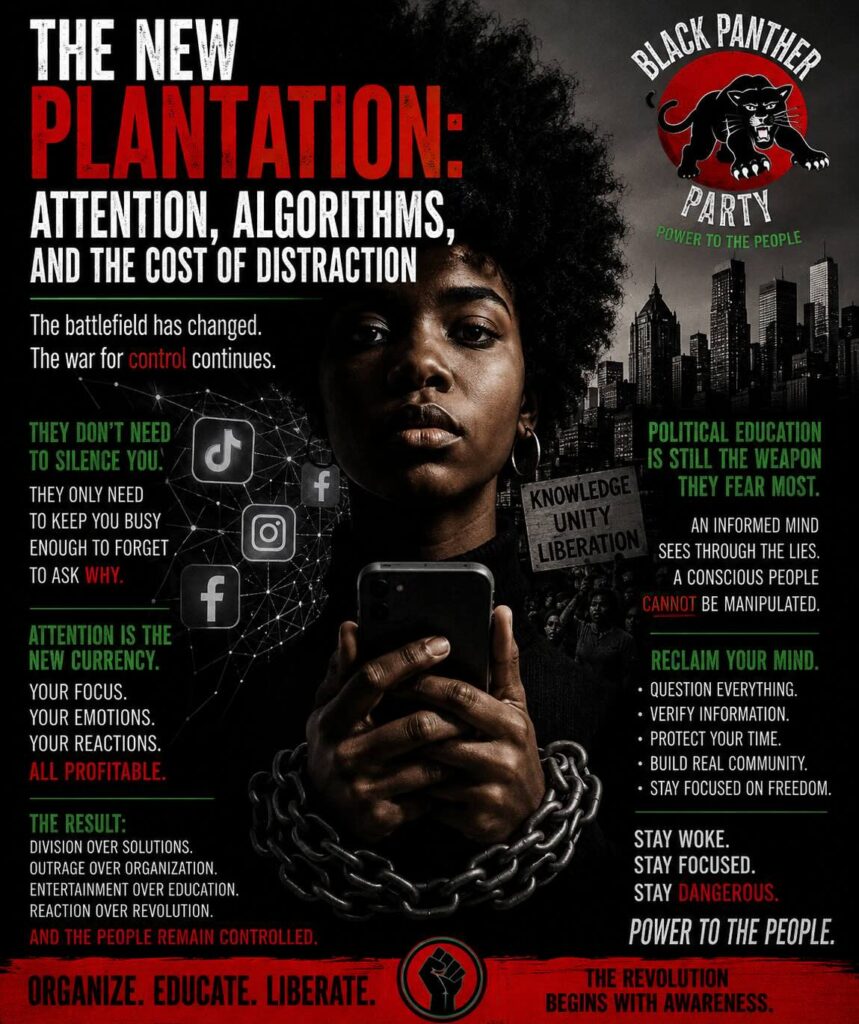
The Legacy of the Black Panther Party: Empowering Communities Then and Now

The Black Panther Party, founded in 1966 by Huey P. Newton and Bobby Seale, remains an iconic symbol of resistance, empowerment, and social justice. From its inception in Oakland, California, to its national and international impact, the legacy of the Black Panther Party continues to shape conversations about civil rights, activism, and community empowerment.

Historical Context:

In the 1960s, the United States was experiencing a turbulent period marked by profound social, political, and cultural shifts. Several factors contributed to the conditions that gave rise to the Black Panther Party:

  1. Civil Rights Movement: The Civil Rights Movement of the 1950s and 1960s challenged racial segregation and discrimination against African Americans. Despite significant legislative victories, such as the Civil Rights Act of 1964 and the Voting Rights Act of 1965, systemic racism persisted, particularly in the form of police brutality and economic inequality.
  2. Urban Unrest: Many African American communities faced economic hardship, substandard housing, and limited access to quality education and healthcare. Urban centers experienced frequent outbreaks of violence and civil unrest, often sparked by incidents of police brutality or racial discrimination.
  3. Police Brutality: African Americans, especially in urban areas, were subjected to widespread police brutality and harassment. Incidents such as the killing of unarmed black individuals by law enforcement officers were not uncommon, leading to a sense of outrage and frustration within the black community.
  4. Political Activism: The 1960s saw a surge in political activism, with various groups advocating for civil rights, anti-war protests, and revolutionary change. Influential figures like Malcolm X and Stokely Carmichael (later known as Kwame Ture) emphasized the need for black self-defense and empowerment in the face of ongoing oppression.
  5. Vietnam War: The escalation of the Vietnam War fueled anti-government sentiment and heightened tensions within American society. Many activists, including members of the Civil Rights Movement, opposed the war and called for an end to U.S. military intervention abroad, diverting resources from domestic social programs.
  6. Inspiration from Global Movements: The Black Panther Party drew inspiration from global liberation movements, including the anti-colonial struggles in Africa and the socialist revolutions in Cuba and China. Leaders like Huey P. Newton and Bobby Seale were influenced by Marxist ideology and sought to adapt revolutionary principles to the African American struggle for liberation.

In this volatile socio-political climate, the Black Panther Party emerged as a radical response to systemic racism, economic injustice, and political repression. Founded in 1966 in Oakland, California, the Party sought to empower African American communities through grassroots organizing, community programs, and armed self-defense. The conditions of the 1960s provided fertile ground for the growth of the Black Panther Party, as it tapped into the frustrations and aspirations of black Americans seeking liberation and equality.

The Program:

The Black Panther Party’s Ten-Point Program was a foundational document that outlined the party’s demands for basic human rights, freedom, and equality. Here are the key points, emphasizing their significance:

  1. We want freedom. We want power to determine the destiny of our black community.: This point asserts the fundamental right of African Americans to self-determination and control over their own communities, challenging the systemic oppression imposed by external forces.
  2. We want full employment for our people.: The demand for full employment addresses the economic inequality faced by African Americans, highlighting the need for access to meaningful work and financial stability.
  3. We want an end to the robbery by the capitalists of our black and oppressed communities.: This point condemns the exploitation of black communities by capitalist interests and calls for economic justice and redistribution of wealth.
  4. We want decent housing, fit for the shelter of human beings.: Access to safe and adequate housing is recognized as a basic human right, addressing the pervasive housing discrimination and segregation faced by African Americans.
  5. We want education for our people that exposes the true nature of this decadent American society. We want education that teaches us our true history and our role in the present-day society.: The demand for education reform emphasizes the importance of empowering African Americans with knowledge of their history and the systemic injustices they face, challenging the whitewashing of American history.
  6. We want all black men to be exempt from military service.: This point opposes the conscription of African American men into the military, highlighting the disproportionate burden of military service and the exploitation of black soldiers.
  7. We want an immediate end to police brutality and murder of black people.: The demand for an end to police brutality addresses the pervasive violence and harassment experienced by African Americans at the hands of law enforcement, calling for accountability and reform within police departments.
  8. We want freedom for all black men held in federal, state, county, and city prisons and jails.: This point highlights the issue of mass incarceration and the disproportionate imprisonment of African Americans, advocating for the release of political prisoners and fair treatment within the criminal justice system.
  9. We want all black people when brought to trial to be tried in court by a jury of their peer group or people from their black communities, as defined by the Constitution of the United States.: This demand for jury trial by peers addresses the systemic bias and discrimination within the legal system, seeking fair and impartial treatment for African American defendants.
  10. We want land, bread, housing, education, clothing, justice, and peace.: This comprehensive demand encapsulates the broader aspirations of the Black Panther Party, emphasizing the need for social, economic, and political equality for African Americans.

The Ten-Point Program served as a manifesto for the Black Panther Party’s vision of liberation and empowerment, articulating the fundamental principles and goals of the organization in the struggle for justice and equality.

Community Empowerment:

The Black Panther Party’s initiatives, including the Free Breakfast for Children program and community health clinics, played a crucial role in addressing social inequalities and providing essential services to underserved communities. Here’s how these programs made a significant impact:

  1. Free Breakfast for Children Program:
  • In response to the widespread poverty and hunger affecting African American communities, the Black Panther Party launched the Free Breakfast for Children program in 1969.
  • This initiative provided free, nutritious breakfasts to children in underserved neighborhoods, ensuring that they had access to a healthy meal before starting their school day.
  • By addressing the immediate need for food security, the program not only alleviated hunger but also enabled children to concentrate better in school, ultimately improving their educational outcomes.
  • The Free Breakfast for Children program also served as a powerful symbol of community solidarity and self-reliance, demonstrating the Party’s commitment to uplifting and empowering African American youth.

2. Community Health Clinics:

  • Recognizing the lack of access to quality healthcare in many African American neighborhoods, the Black Panther Party established community health clinics to provide free medical services to local residents.
  • These clinics offered a range of healthcare services, including check-ups, screenings, vaccinations, and treatment for common illnesses and injuries.
  • By bringing healthcare directly into the community, the Party sought to address disparities in healthcare access and ensure that all individuals, regardless of their socioeconomic status, could receive medical attention when needed.
  • Additionally, the clinics provided opportunities for community members to learn about preventive care and health education, empowering them to take control of their own well-being.

Overall, the Free Breakfast for Children program and community health clinics exemplified the Black Panther Party’s commitment to grassroots activism and community empowerment. By providing essential services and addressing systemic inequalities, these initiatives not only met the immediate needs of underserved communities but also fostered a sense of solidarity and collective action in the fight for social justice and equality.

The Black Panther Party’s focus on self-defense and community policing was a central tenet of its ideology, aimed at combating police brutality and protecting African American neighborhoods. Here’s how the Party’s approach to self-defense and community policing made a significant impact:

  1. Armed Self-Defense:
  • In response to the pervasive violence and harassment perpetrated by law enforcement against African American communities, the Black Panther Party advocated for the right to armed self-defense.
  • Members of the Party, known as “Panthers,” openly carried firearms and patrolled their neighborhoods to monitor police activity and intervene in instances of brutality.
  • By exercising their Second Amendment rights and asserting their self-defense capabilities, the Panthers sought to deter police misconduct and defend themselves and their communities against unjust violence.
  • The visible presence of armed Panthers challenged the perception of African Americans as passive victims and empowered individuals to assert their rights and protect their own safety and dignity.

2. Community Policing:

  • In addition to armed self-defense, the Black Panther Party promoted the concept of community policing, whereby local residents took an active role in monitoring and policing their own neighborhoods.
  • Panthers established community patrols and “cop watch” programs to monitor police behavior, document instances of brutality, and provide support to victims of police abuse.
  • Through these efforts, the Party sought to build trust and solidarity within African American communities, fostering a sense of collective responsibility for safety and security.
  • Community policing initiatives also aimed to challenge the monopoly of power held by law enforcement agencies and promote accountability and transparency in policing practices.

3. Legal Education and Advocacy:

  • In addition to physical defense measures, the Black Panther Party provided legal education and advocacy to empower individuals to assert their rights when confronted by law enforcement.
  • Panthers conducted “Know Your Rights” workshops and distributed informational materials to educate community members about their legal protections and how to interact with police.
  • By equipping individuals with knowledge and resources to navigate encounters with law enforcement, the Party sought to reduce instances of police brutality and protect the civil liberties of African Americans.

Overall, the Black Panther Party’s emphasis on self-defense and community policing reflected its commitment to challenging systemic oppression and protecting the rights and safety of African American communities. Through these initiatives, the Party sought to empower individuals to resist injustice and build alternative systems of accountability and security rooted in community solidarity and self-determination.

Cultural Impact:

The Black Panther Party had a profound influence on art, music, and popular culture, shaping the aesthetics and ideologies of the era and leaving a lasting legacy that continues to resonate with activists today. Here’s how the Party’s impact manifested in various cultural spheres:

  1. Art and Visual Culture:
  • The Black Panther Party’s iconic imagery, including the emblem of the panther and the raised fist salute, became powerful symbols of black liberation and resistance.
  • Artists and graphic designers associated with the Party created bold and striking posters, flyers, and artwork that conveyed messages of solidarity, empowerment, and defiance.
  • These visual representations helped to disseminate the Party’s ideologies and mobilize support for its initiatives, capturing the attention of audiences both within and outside of African American communities.

2. Music and Performance:

  • The Black Panther Party’s message of empowerment and social justice resonated deeply with musicians and performers of the era, inspiring a wave of politically charged music and performance art.
  • Artists such as Gil Scott-Heron, The Last Poets, and Nina Simone incorporated themes of black liberation and resistance into their music, using their platforms to amplify the voices of the oppressed and confront systemic injustice.
  • The Party also organized cultural events and concerts that featured performances by prominent artists, showcasing the intersection between activism and artistic expression within the broader struggle for civil rights and equality.

3. Literature and Poetry:

  • Writers and poets associated with the Black Panther Party, such as Amiri Baraka, Sonia Sanchez, and Eldridge Cleaver, produced works that explored themes of black identity, social revolution, and resistance.
  • The Party’s newspaper, The Black Panther, served as a platform for political commentary, literature, and poetry, providing a voice for marginalized communities and challenging dominant narratives of power and oppression.
  • Through poetry readings, literary events, and publications, the Party contributed to a vibrant cultural renaissance that celebrated black creativity and intellect while advocating for radical social change.

4. Slogans and Political Rhetoric:

  • The Black Panther Party coined several slogans and catchphrases that encapsulated its revolutionary ethos and galvanized support for its cause.
  • Phrases such as “Power to the People,” “All Power to the People,” and “Free Huey” became rallying cries for activists and supporters, expressing the Party’s commitment to grassroots organizing and community empowerment.
  • These slogans continue to resonate with activists today, serving as reminders of the ongoing struggle for liberation and the enduring legacy of the Black Panther Party in the fight against systemic racism and oppression.

Overall, the Black Panther Party’s influence on art, music, and popular culture was profound, reflecting its broader impact on American society and its efforts to mobilize and empower marginalized communities in the pursuit of social justice and equality. By harnessing the power of culture and creativity, the Party helped to shape the cultural landscape of the era and inspire future generations of activists to continue the struggle for liberation and empowerment.

The Black Panther Party was deeply interconnected with other social movements of the time, including the Civil Rights Movement and the fight for women’s rights. Here’s how the Party’s connections to these movements influenced its ideology and activism:

  1. Civil Rights Movement:
  • The Black Panther Party emerged in the wake of the Civil Rights Movement, drawing inspiration from its tactics of nonviolent protest and direct action.
  • While the Civil Rights Movement focused primarily on ending segregation and securing legal rights for African Americans, the Black Panther Party adopted a more radical approach, emphasizing armed self-defense and community empowerment.
  • Despite ideological differences, there were overlapping goals between the two movements, including combating systemic racism, addressing economic inequality, and promoting social justice.
  • Many activists and organizations associated with the Civil Rights Movement expressed solidarity with the Black Panther Party, recognizing the shared struggle for racial equality and the importance of diverse tactics in achieving liberation.

2. Women’s Rights:

  • The Black Panther Party was initially dominated by male leadership, but women played significant roles within the organization and contributed to its activism and ideology.
  • Female members of the Party, such as Kathleen Cleaver, Elaine Brown, and Angela Davis, challenged traditional gender roles and advocated for women’s rights within the broader struggle for black liberation.
  • The Party’s Ten-Point Program included demands for gender equality, such as access to education and employment opportunities for black women.
  • However, tensions arose within the Party over issues of sexism and gender discrimination, prompting some women to form their own organizations, such as the Black Women’s United Front, to address these concerns.
  • Despite internal challenges, the Black Panther Party’s engagement with women’s rights issues contributed to broader conversations about intersectionality and the interconnected nature of racial, gender, and class oppression.

Overall, the Black Panther Party’s connections to the Civil Rights Movement and the fight for women’s rights underscored the complexity and diversity of the era’s social activism. While each movement had its own distinct goals and strategies, they shared common aspirations for equality, justice, and liberation, and their intersecting struggles contributed to a broader movement for social change and empowerment.

Continuing the Legacy:

The principles of the Black Panther Party remain highly relevant in today’s society, especially amidst ongoing struggles for racial justice and equity. Here’s how the Party’s principles continue to resonate:

  1. Community Empowerment: The Black Panther Party’s emphasis on community empowerment and grassroots organizing serves as a model for contemporary social movements seeking to address systemic inequalities and uplift marginalized communities. Initiatives like the Free Breakfast for Children program and community health clinics demonstrate the importance of providing essential services and building self-sufficient, resilient communities.
  2. Anti-Police Brutality: The issue of police brutality and racial profiling remains a pervasive problem in society today, prompting renewed calls for accountability and reform within law enforcement agencies. The Black Panther Party’s advocacy for self-defense and community policing offers insights into alternative approaches to addressing police violence and promoting community safety and trust.
  3. Intersectionality: The Black Panther Party’s recognition of the interconnected nature of oppression, including racism, sexism, and classism, continues to inform contemporary discussions about intersectionality and the need for inclusive, intersectional approaches to social justice activism. By acknowledging the multiple dimensions of identity and privilege, activists today strive to build solidarity across diverse communities and address the root causes of inequality.
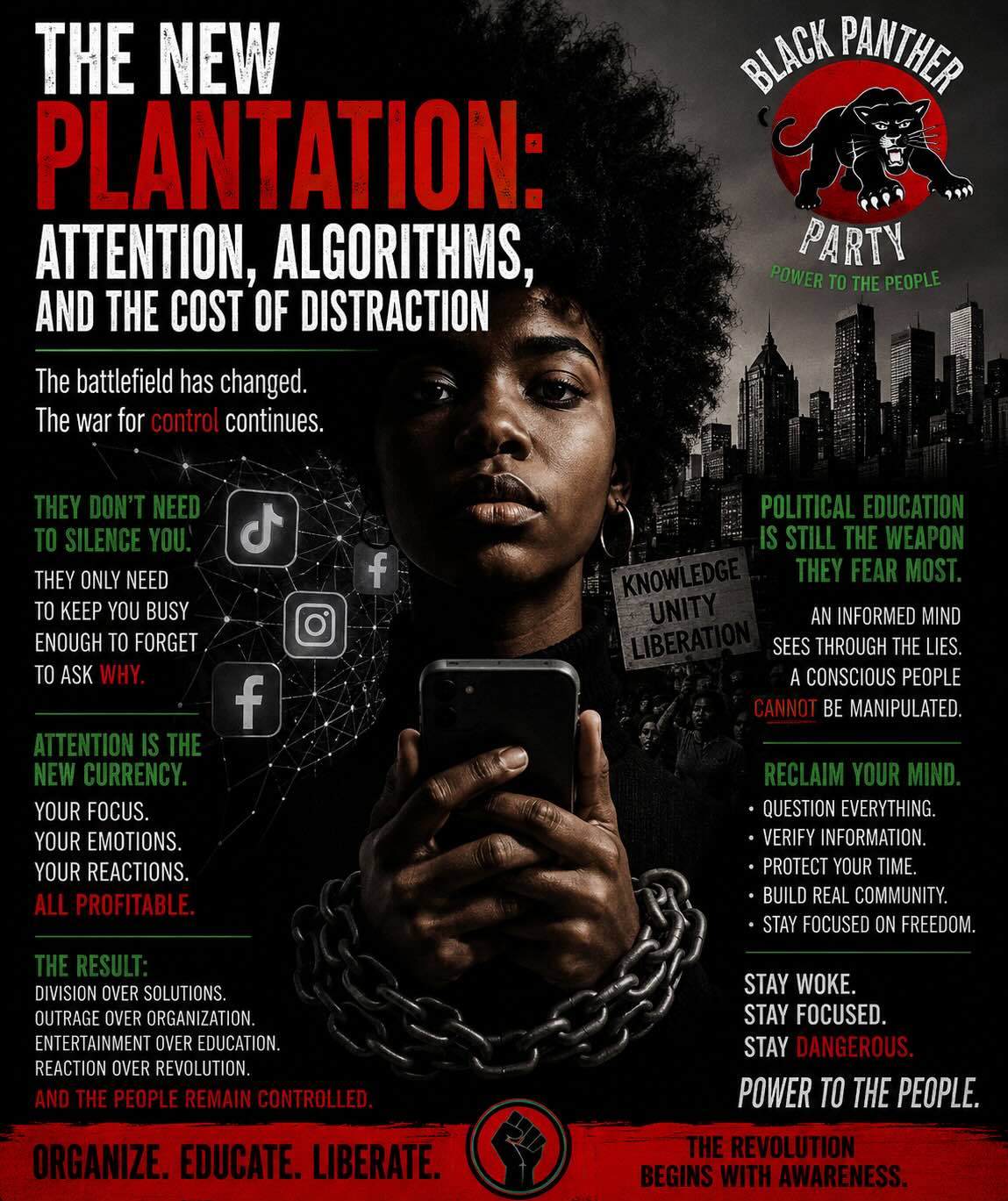
  4. Political Education: The Black Panther Party’s emphasis on political education and consciousness-raising highlights the importance of educating individuals about their rights, history, and the structures of power that shape society. In today’s digital age, access to information and resources for political education is more widespread than ever, empowering individuals to become informed, engaged citizens and advocates for change.
  5. Activism and Resistance: The legacy of the Black Panther Party inspires contemporary activists to confront injustice and oppression through creative, strategic forms of activism and resistance. From organizing protests and demonstrations to advocating for policy changes and supporting community-led initiatives, activists draw inspiration from the Party’s bold, uncompromising stance against systemic racism and inequality.

Overall, the principles of the Black Panther Party continue to resonate with individuals and communities striving for racial justice and equity in today’s society. By drawing on the Party’s legacy of empowerment, solidarity, and resistance, activists can build upon past struggles and work towards creating a more just, equitable future for all.

Contemporary organizations and movements draw significant inspiration from the Black Panther Party’s legacy of activism, empowerment, and community organizing. Here are some examples:

  1. Black Lives Matter (BLM):
  • BLM emerged in response to ongoing police brutality and systemic racism, echoing the Black Panther Party’s call for accountability and justice in law enforcement.
  • Like the Panthers, BLM advocates for the rights and dignity of Black communities, challenging structural inequalities and advocating for policy reforms.
  • BLM’s decentralized structure and emphasis on grassroots organizing reflect the Party’s commitment to community empowerment and self-determination.

2. Community-Based Initiatives:

  • Across the United States, grassroots community initiatives draw inspiration from the Black Panther Party’s programs and principles.
  • Organizations and collectives focus on providing essential services, such as food assistance, healthcare, and educational support, to underserved communities, mirroring the Party’s emphasis on meeting the immediate needs of marginalized populations.
  • These initiatives often prioritize community ownership and participation, empowering residents to take control of their own destinies and build solidarity within their neighborhoods.

3. Political Activism:

  • Contemporary political movements and campaigns incorporate elements of the Black Panther Party’s revolutionary ethos and tactics.
  • Activists and organizers mobilize around issues such as voting rights, criminal justice reform, and economic justice, drawing on the Party’s legacy of resistance and organizing to effect systemic change.
  • By leveraging social media and digital platforms, these movements amplify marginalized voices and mobilize supporters in pursuit of social justice and equity.

4. Intersectional Advocacy:

  • Like the Black Panther Party, contemporary movements recognize the intersectionality of oppression and advocate for inclusive, intersectional approaches to activism.
  • Organizations and coalitions prioritize solidarity across diverse communities and center the experiences of marginalized individuals, recognizing that liberation is interconnected and must address the intersecting forms of discrimination and marginalization faced by people of color, women, LGBTQ+ individuals, and other marginalized groups.

In summary, the Black Panther Party’s legacy continues to inspire a wide range of contemporary organizations and movements committed to social justice, empowerment, and community building. By drawing on the Party’s principles and strategies, these groups work towards creating a more just, equitable society for all.

Conclusion:

As we honor the legacy of the Black Panther Party, let us remember its commitment to empowerment, solidarity, and social change. By acknowledging the past struggles and continuing the fight for justice, we can uphold the ideals of the Party and work towards creating a more equitable and inclusive society for all.
Open post

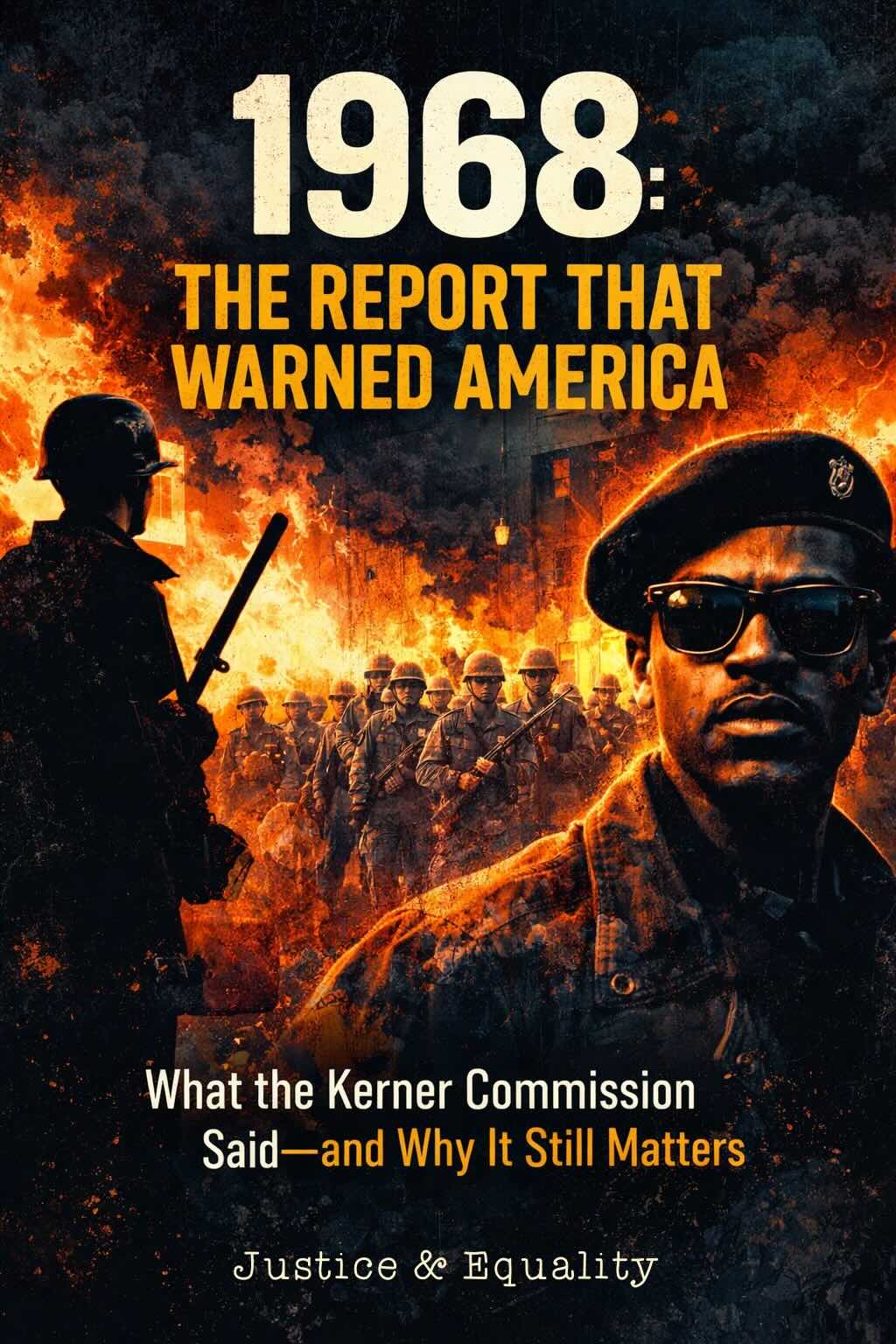
1968: The Report That Warned America

1968: The Report That Warned America

What the Kerner Commission Said—and Why It Still Matters

In 1968, the United States government conducted one of the most important investigations in its history.

It asked three questions:

  • What happened?
  • Why did it happen?
  • What can be done to prevent it from happening again?

The answers were clear. The warning was direct.

America, the report concluded, was moving toward two separate and unequal societies.

More than fifty years later, that warning still echoes.


1968: The Report That Warned America breaks down the findings of the Kerner Commission and places them in context—what led to the unrest, what the government discovered, and what was never fully addressed.

This is not an academic text.

It is a focused, accessible look at a turning point in American history—and the questions that remain unresolved today.


For readers seeking clarity, context, and a deeper understanding of the forces that continue to shape the country, this book offers a direct path into the conversation.

JUSTICE & EQUALITY

Cover of 1968: The Report That Warned America

Open post

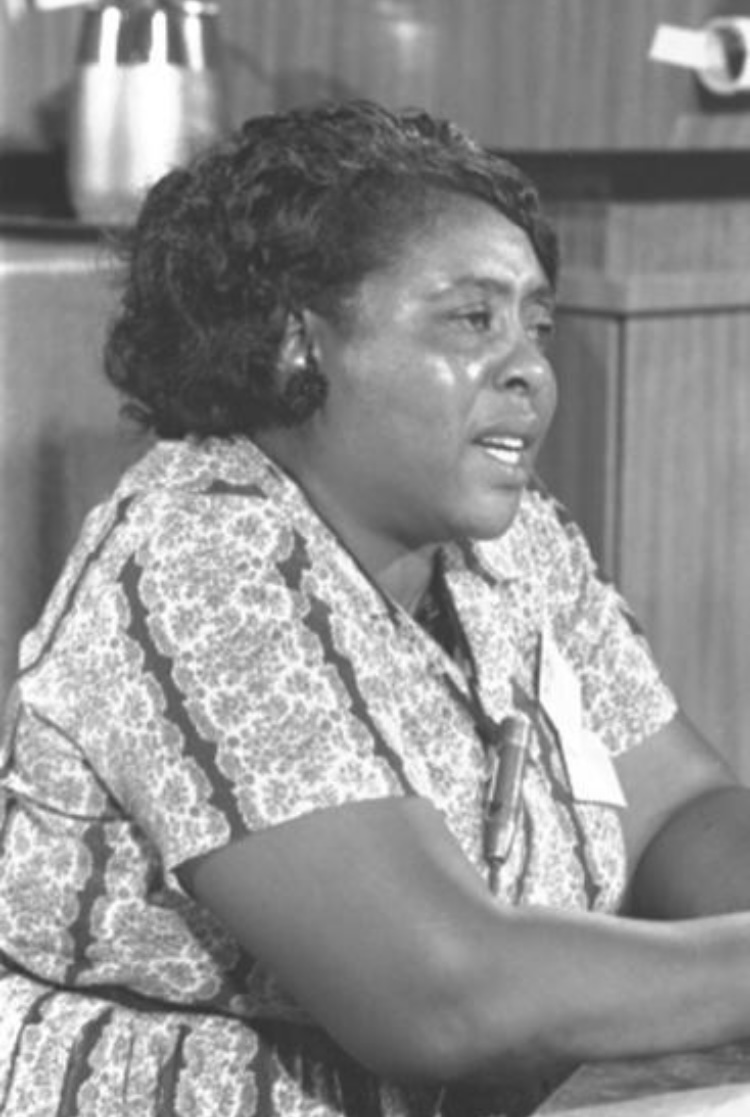
Fannie Lou Hamer – An American Hero

Fannie Lou Hamer

Born: October 6, 1917 – Montgomery County, Mississippi

Died: March 14, 1977 – Mound Bayou, Mississippi

Fannie Lou Hamer was one of the most powerful grassroots leaders of the American Civil Rights Movement. She was not a lawyer, preacher, or politician. She was a sharecropper who decided she’d had enough.

Early Life

  • Youngest of 20 children in a family of sharecroppers.
  • Began working in cotton fields at age 6.
  • Received limited formal education due to poverty.
  • In 1961, she underwent a forced hysterectomy without her consent — a common racist practice in Mississippi known as a “Mississippi appendectomy.”

Turning Point – 1962

At age 44, she attended a meeting organized by the Student Nonviolent Coordinating Committee (SNCC).

She learned Black Americans had a constitutional right to vote — something she had effectively been denied her entire life.

She attempted to register to vote.

For that:

  • She was fired from the plantation where she lived and worked.
  • She received death threats.
  • She was harassed repeatedly.

She did not back down.

1963 – Arrest and Beating

In Winona, Mississippi, she was arrested for trying to desegregate a bus station.

While jailed, she was brutally beaten by other inmates under police orders. She suffered permanent kidney damage and a blood clot in her eye.

Afterward, she famously said:

“They could beat me as long as they want, but they couldn’t beat God out of me.”

1964 – National Spotlight

She helped found the Mississippi Freedom Democratic Party (MFDP).

The MFDP challenged Mississippi’s all-white delegation at the 1964 Democratic National Convention.

Her televised testimony before the credentials committee shook the country. She described beatings, terror, and voter suppression in Mississippi.

She asked:

“Is this America, the land of the free and the home of the brave?”

President Lyndon B. Johnson tried to interrupt the broadcast because he feared how powerful her words were.

Millions still saw it.

Famous Quote

“I’m sick and tired of being sick and tired.”

That line became one of the most enduring slogans of the movement.

Later Work

  • Organized Freedom Farms Cooperative to help Black families gain economic independence.
  • Worked to increase political representation in Mississippi.
  • Helped pave the way for the Voting Rights Act of 1965.
  • In 1972, she became a delegate to the Democratic National Convention — this time officially recognized.

Legacy

Fannie Lou Hamer represents:

  • Grassroots political power
  • Moral courage
  • Rural Southern Black women leading change
  • Faith-driven activism
  • Refusal to be intimidated by systemic violence

She never held major elected office.

She never became wealthy.

But she permanently shifted American democracy.

Open post

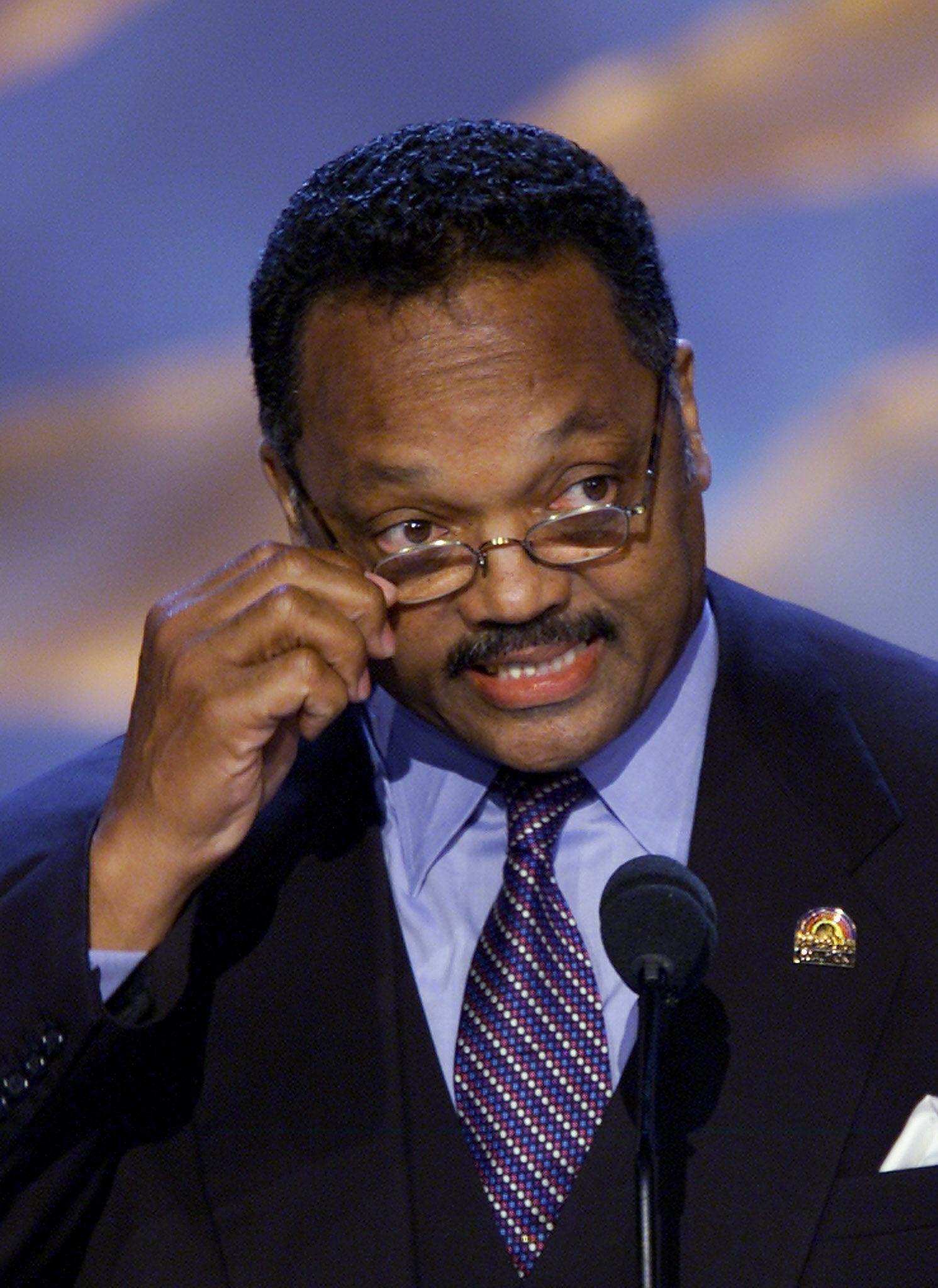
Reverend Jesse Jackson: After the Silence

On April fourth, nineteen sixty-eight, the balcony of the Lorraine Motel in Memphis became an altar of American fracture. Martin Luther King Jr. lay dying, and with him fell the clearest moral voice of the Civil Rights era.

But movements do not end with gunshots.

They splinter.
They harden.
They reorganize.

Among those thrust forward into the vacuum was a young organizer from Greenville, South Carolina — Jesse Jackson.

King had been the conscience.
Jackson would become something different: strategist, negotiator, national political force.

The question after Memphis was not whether racism would persist. It did.
The question was how Black leadership would adapt.

Jackson chose engagement with power.


From Moral Appeal to Economic Leverage

Before Memphis, Jackson had already emerged as a key figure within the Southern Christian Leadership Conference. Through Operation Breadbasket, he targeted corporations that profited from Black consumers while excluding Black workers.

Breadbasket was not symbolic protest. It was organized economic pressure. Contracts were negotiated. Jobs were demanded. Investment was quantified.

Jackson absorbed a lesson that would define his career:

Desegregation without economic inclusion is incomplete.

When King was assassinated, Jackson did not retreat into mourning alone. He moved toward institution-building.


Operation PUSH and the Architecture of Influence

In nineteen seventy-one, Jackson founded Operation PUSH (People United to Save Humanity).

PUSH broadened the fight:

  • Corporate accountability
  • Educational access
  • Voter mobilization
  • Financial literacy and empowerment

This was a strategic evolution. The movement shifted from street confrontation toward structural participation.

Jackson believed that moral outrage had to translate into measurable outcomes — contracts signed, ballots cast, boardrooms opened.


The Rainbow Coalition: Expanding the Frame

Jackson’s presidential campaigns in nineteen eighty-four and nineteen eighty-eight were not symbolic gestures.

They were infrastructure tests.

Under the banner of the Rainbow Coalition, he attempted to unite:

  • Black Americans
  • Latino communities
  • Labor movements
  • Rural farmers
  • Poor and working-class whites
  • Progressive faith groups

The coalition was not accidental. It was mathematical.

Jackson recognized that demographic isolation limited political leverage. Coalition expanded it.

Though he did not secure the Democratic nomination, he won primaries, secured delegates, and reshaped the party platform. Issues like anti-apartheid sanctions and expanded voting rights gained traction partly because of his campaigns.

His runs demonstrated viability. The presidency was no longer theoretical terrain.


Strategy vs Militancy

Jackson’s institutional approach did not exist without tension.

Organizations such as ours, the Black Panther Party advanced community control, self-defense, and structural confrontation outside electoral frameworks.

The divide was philosophical:

Reform institutions from within?
Or build alternatives outside them?

Jackson leaned toward engagement. Yet he retained movement language and grassroots credibility. He stood between eras — not fully militant, not fully establishment.

That positioning defined him.


Global Stage, Domestic Consequence

Jackson’s activism crossed borders.

He advocated sanctions against apartheid South Africa and aligned publicly with leaders like Nelson Mandela. He engaged in unofficial diplomacy during hostage crises abroad.

Supporters saw courage.
Critics saw ambition.

Either way, he refused to limit Black leadership to domestic confines.


Complexity and Criticism

Jackson’s career was not untouched by controversy. Internal disputes, political rivalries, and public missteps marked different chapters of his life.

But complexity is not contradiction. It is scale.

Leaders who operate for decades accumulate friction.

Legacy is not purity. It is influence.


What His Death Means

With Jackson’s passing, another bridge generation recedes.

He was not King. He did not claim to be.
He was not Panther. He did not attempt to be.

He was something transitional — a figure who carried the moral urgency of the nineteen sixties into the electoral machinery of late twentieth-century America.

He normalized the idea that Black political ambition at the highest level was not audacious — it was necessary.

In an era where coalition politics feels fragile and polarization dominates, Jackson’s model raises a difficult question:

Was coalition naïve?
Or was it unfinished?

His life leaves that debate open.

But it closes nothing.

Movements adapt.
Power recalculates.
History does not pause.

And the vacuum left in Memphis in nineteen sixty-eight did not swallow him.

It propelled him.

A Black Jew Speaks, Pt. 2: The Credits Never Lie

A Black Jew Speaks, Pt. 2: The Credits Never Lie

Here’s another truth we need to talk about.

If you watch any show—doesn’t matter what network, what genre, or what time of day—take a look at the credits. Really look. The producers. The writers. The directors. The studio heads.

You’ll see a pattern. Jewish names. Over and over. Sometimes Eastern European. Sometimes obvious. Sometimes coded. But if you know what to look for, you’ll see it—and once you see it, you can’t unsee it.

Now before anyone starts clutching pearls—this isn’t about hate. I’m Jewish. I know the names. I know the history. And I know what access looks like. I also know what exclusion feels like.

Because here’s the thing: you don’t see that same energy for other communities. Where are the Garcias? The Watanabes? The Choudhurys? The Johnsons?

You don’t see a balanced spread of Latin, Asian, Indigenous, or even Black creatives behind the scenes—not at the same scale. Not with that kind of consistency. And when you do see those names, they’re usually down the list. An assistant. A guest role. A “diversity hire.”

Meanwhile, Jewish presence in media is everywhere—not just in front of the camera, but behind it, owning the entire machine. And yet, no one talks about it.

Because the moment you even raise a question, you’re labeled antisemitic—even if you are Jewish. Even if you’re just pointing out what’s real.

That silence? That fear? That’s not equality. That’s protectionism. That’s unchecked power. And it’s not reflective of the actual society we live in.

I’m not mad that Jews are represented in media. I’m mad that everyone else isn’t.

Because real diversity isn’t just a hashtag. It’s not just casting a Black lead and calling it a day. It’s about who holds the pen, who funds the project, who gives the greenlight, and who owns the lens you’re seeing the world through.

I’ve been in those rooms. And I’ve seen the difference between walking in as Craig Cohen versus Justice Jones. One name opened doors. The other got raised eyebrows.

That’s not just bias. That’s built-in.

So yeah—the credits never lie.
And maybe it’s time we actually started reading them.

A Black Jew Speaks: Enough Already

A Black Jew Speaks: Enough Already.

Let me be clear, because I don’t want there to be any confusion: I am Jewish. I come from Kohans—one of the oldest priestly lines in the culture. I’m also Black. And I’m done being quiet.

I’m tired of seeing the Jewish story dominate every narrative about pain and suffering—especially here in America. I turned on PBS today, and once again, it was another Holocaust special. And sure, the Holocaust was horrific. It was evil. But damn it, it happened eighty years ago.

Meanwhile, Black history in this country gets erased, minimized, and dismissed. We still can’t get real airtime for the transatlantic slave trade, the genocide of Native Americans, or the ongoing trauma of being Black in America. Where’s that programming?

And here’s the kicker: while we’re being told to “never forget,” the State of Israel—our so-called answer to Jewish persecution—is wiping Palestine off the map in real time. Right now. Today.

And yet, no one is allowed to talk about that without being labeled antisemitic. Even when the critique is coming from inside the house.

Let’s stop pretending Jewish power doesn’t exist. It does. In media, in law, in medicine, in politics. That’s not a conspiracy. That’s reality. And when you have that kind of power, you should be held accountable like anyone else.

Not shielded by historic trauma forever. We can’t keep using our pain as armor to ignore the pain we’re causing.

And don’t even get me started on how we police who’s “really” Jewish. As a Black Jew, I’ve been questioned more times than I can count.

And yet, when I used the name Craig Cohen in the Hollywood scene back in the day, doors flew open. More callbacks. More access. More attention—until I showed up in person and the assumption collapsed.

That tells you everything about how whiteness functions within Jewish spaces. Jewishness gets respect—until it’s attached to Blackness. Then suddenly, you’re “not really Jewish,” or worse, invisible.

This isn’t hate. This is truth.
And I’m done being polite about it.

Open post

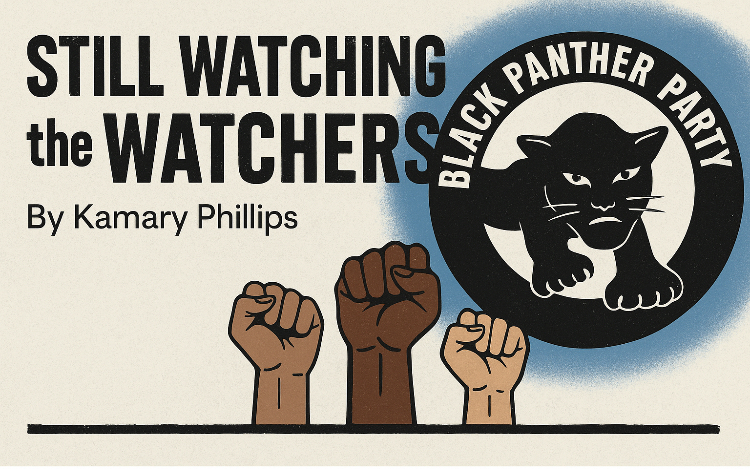
Still Watching the Watchers

On this week in 1966, Huey P. Newton and Bobby Seale founded the Black Panther Party in Oakland, California. They weren’t trying to start a war—they were trying to stop one. A war on Black dignity. A war on poor people. A war that’s still raging in quieter, slicker, more digitized ways today.

And so we ask: who’s watching the watchers now?

This isn’t nostalgia. This is legacy.

Fifty-something years later, the systems have upgraded but the software of oppression still runs in the background—unchecked policing, generational poverty, misinformation warfare. Surveillance has gone algorithmic, but the targets? Still Black, still brown, still poor.

Back then, it was about protecting our communities from the barrel of a cop’s shotgun.

Today? It’s about protecting truth from being drowned in a sea of data and distractions.

That’s where we come in.

The Black Panther Party isn’t a museum piece. It’s a living idea. A demand for self-determination, community control, and unapologetic truth-telling. We don’t whisper. We document. We broadcast. We teach. We resist.

This is not just for history buffs. This is for the people trying to raise Black children in a world where being seen is still a threat. For the ones who organize in forgotten neighborhoods. For the ones still being followed in stores. For the ones denied access—then blamed for not having it.

We remember. And we act.

So here’s what we’re doing this month:

  • Dropping new community footage
  • Hosting intergenerational convos on survival & tech
  • Publishing raw essays from people on the front lines

You don’t have to wear leather or hold a megaphone. But you do have to stand for something.

📌 Stay loud. Stay sharp. Stay watching.

✊🏽✊🏾✊🏿

Open post

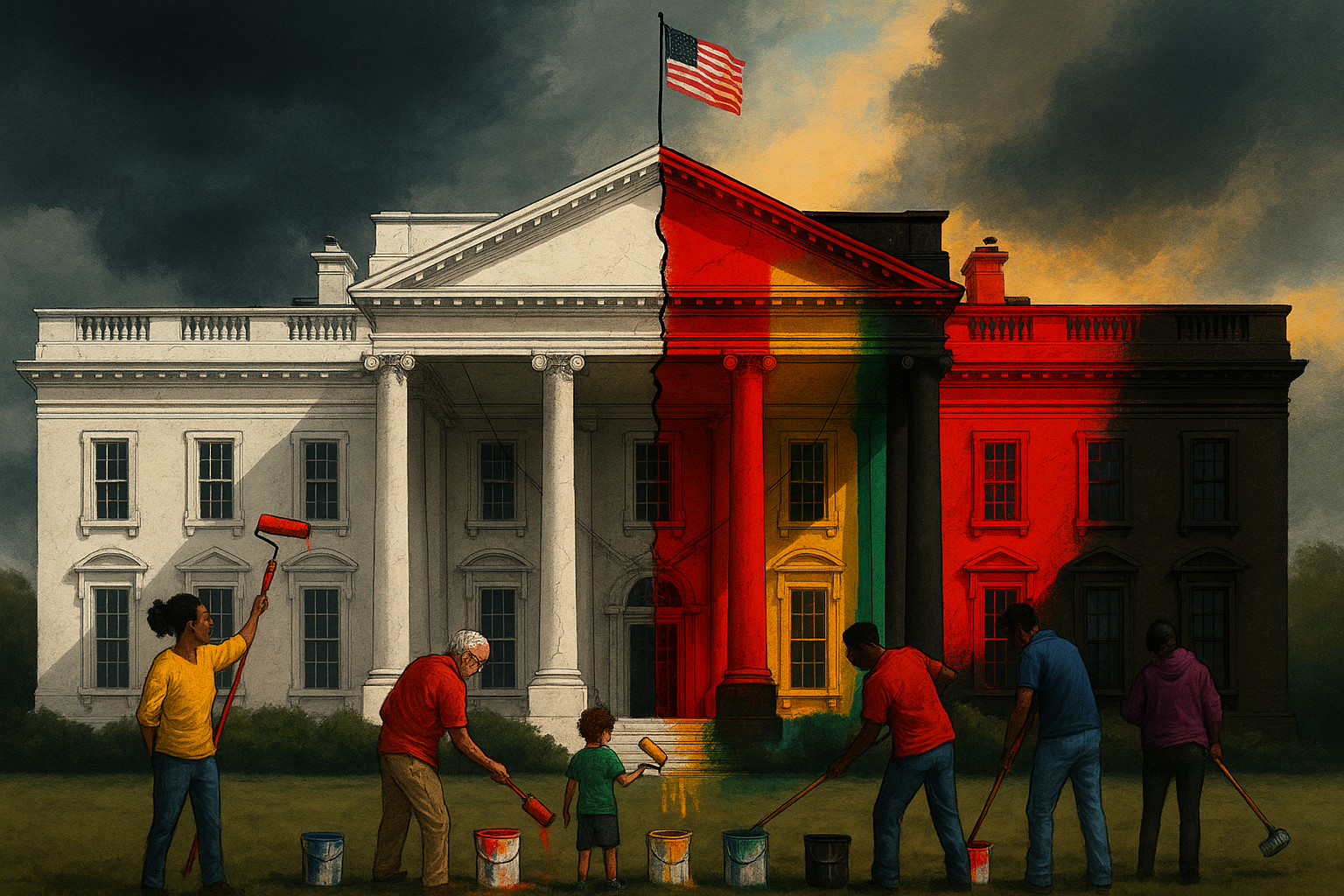
No More White House

They call it The People’s House. But when a sitting president—Donald Trump—takes a wrecking ball to a piece of it, just to build himself a ballroom, what he’s really tearing down is the illusion. The illusion that this house belongs to all of us. That our tax dollars, our history, our sacrifices—mean a damn thing when power decides it wants to redecorate.

If this house truly belonged to the people, then there would’ve been a vote. There would’ve been accountability. But no. There was silence. Complicity. A shrug. A nod. The same way there’s silence every time Trump steps over a line and dares the country to stop him.

And now? He’s not just stepping over lines—he’s rewriting the map. Floating the idea of a third term like he’s some emperor reincarnated. So here’s our position, loud and clear:

If Donald Trump is allowed to violate constitutional norms and run again, then we, the Black Panther Party, fully endorse a return of President Barack Obama—with Gavin Newsom as Vice President.

If the rules are being rewritten for tyrants, then they can be rewritten for justice too.


The People’s House Was Never Truly Ours

Built by enslaved hands, praised as a beacon of democracy while soaked in the sweat and blood of Black labor, the White House has always worn its irony like a crown. It was never neutral ground. From the architecture to the occupants, it’s stood as a monument to a very specific idea of power—white, male, wealthy, and untouchable.

They called it The People’s House to sell a dream. But for centuries, that house had no room for the people who built it. Not in its design, not in its decisions, and sure as hell not in its heart.

Fast forward to now: a president tears through it like it’s a casino he’s flipping in Jersey. A ballroom, of all things—during a time when people are sleeping on sidewalks, rationing insulin, burying hope. It’s not just disrespect. It’s a flex. A reminder that even the most symbolic house in America is still owned and rearranged by the powerful for the powerful.

And here’s the deeper pain—it’s not even shocking anymore. The People’s House being treated like a private estate? That’s America showing us, again, who it was built for.


It’s Time to Change the Name

But naming is power. Always has been. The name White House was never just about paint—it was a declaration. A subliminal claim of ownership. A visual cue about who the house is for, and who’s forever just visiting. Even when Barack Obama stepped inside as Commander in Chief, some folks still clutched their pearls like he broke in through the back door.

That house has never welcomed us fully. It tolerated us. It displayed us when politically convenient. But it never embraced the Black, the Brown, the Indigenous, the immigrant—the working class, the poor, the displaced. The People’s House? That was the myth. Not the reality.

And when Trump takes a hammer to its bones to build a ballroom? It’s not just about luxury. It’s a signal that his vision of America has no space for restraint, balance, or the voice of the people. Just ego. Just dominance.

And that’s why reclaiming it matters. Not just in name, but in practice. It has to become more than a symbol—it has to serve. It should reflect the actual nation, not the fantasy clung to by the powerful.


Call to Action: Paint It What It Is

So here’s our call to action:

What color should we paint it?

No, seriously. If it’s truly the People’s House, then it shouldn’t be stuck in one image, one name, one tradition rooted in exclusion. Let it shift. Let it reflect who’s leading, and who they serve. Paint it every administration. Let the walls carry the message of the moment—be it power, peace, protest, or pride.

Pink? Cool. Let it stand. Rainbow? Even better. Black, gold, green, blood red—if it speaks for the people, paint it. It should be uncomfortable sometimes. It should challenge us. That’s the point.

No more White House. We’re not asking. We’re saying it:

It’s the People’s House now. And the people have colors, voices, stories. So let the walls speak too.


Open post

Americans Live on $6 a Day

This is what hunger looks like.

JJ:

You ever seen a grown man cry over a grocery bill?

Monique M:

Twice this week. One of them was a vet. Other one had three kids and a busted radiator. She was asking how to stretch forty-three dollars across thirty days.

JJ:

Forty-three dollars.

Monique M:

That’s the average cut some folks saw this year. Pandemic-era boosts gone. Rent’s up. Eggs are still five bucks a dozen in half the cities I track.

JJ:

You tracking suffering like data?

Monique M:

I’m tracking survival. It’s my job to hand out lifeboats, but they keep shrinking the damn boats.

JJ:

Who’s shrinking them?

Monique M:

Congress. State-level administrators. Budget hawks who’ve never missed a meal. People who say “bootstraps” like it’s gospel. You know the drill.

JJ:

I know the drill. It was pointed at my uncle’s head when he got denied for assistance back in ’99. Said his disability check disqualified him. Said being poor wasn’t poor enough.

Monique M:

We lose staff every month. Burnout. Guilt. Some of us stay because walking away feels worse.

JJ:

So you’re inside the machine that’s grinding your own people.

Monique M:

I’m trying to jam it. I tell folks how to appeal, where the loopholes are, who to call when the office “loses” their paperwork for the third time. But it’s not enough. We need noise. We need backup.

JJ:

Forty-three dollars gone means forty-three meals gone. That’s a missed breakfast before school. That’s hunger making a child mean in class. That’s a mother eating instant noodles so her baby can have fruit.

Monique M:

And if she complains, the world says she’s lazy. Says she’s a leech. Says she should be grateful.

JJ:

Grateful for what?

Monique M:

A system that feeds her kids every other week and starves them in between.

JJ:

We’ve seen this game before. Starve the people. Blame the people. Punish the people for daring to survive.

Monique M:

So what do we do?

JJ:

We speak. We write. We show up. We use this page, this name, this legacy. No more waiting for things to get worse before we call it what it is: war by policy.

Monique M:

And you think that’ll change something?

JJ:

I know it will. It already is. You’re here. You came to speak. That’s how it starts.

Monique M:

Then let this be the start.

JJ:

Let it be the start, and not the end.


Food is a human right. The cuts to SNAP are not “budgeting.” They are violence by pen. This page stands with Monique M, and every worker, parent, elder, and child caught in this cycle. Forty-three dollars is a number. But behind it are names.

— Justice Jones

Open post

The Rap Sheet: Donald Trump’s Legacy of Lies, Losses, and Legal Hell

By KAI KOHAN and KENT EATON
Posted by CRAIG PHILLIPS

Donald J. Trump isn’t just a former president. He’s a living, breathing indictment of everything wrong with American politics, privilege, and power. While his cult-like fanbase shouts about “witch hunts” and “fake news,” the receipts keep piling up—and they ain’t pretty. This isn’t opinion. These are facts. Cold. Verified. Undeniable. So let’s break down exactly who this man is. Not the myth. Not the MAGA. Just the math.

The Numbers Don’t Lie
• 64 times he’s mentioned in the Jeffrey Epstein report.
• 97 times he pleaded the Fifth (and no, that’s not what innocent people usually do).
• 34 felony convictions—and counting.
• 91 criminal charges across multiple jurisdictions.
• 26 sexual assault allegations.
• 6 bankruptcies—because nothing screams “business genius” like tanking your own empire.
• 5 draft deferments. That’s how Captain Bone Spurs dodged Vietnam.
• 4 criminal indictments.
• 2 impeachments.
• 2 convicted companies under his control.
• 1 fake university shut down for fraud.
• 1 fake charity shut down after stealing from veterans and children.

The Price Tag of Corruption
• $25 million settlement to victims of Trump University fraud.
• $5 million sexual abuse verdict to E. Jean Carroll.
• $2 million paid for misusing funds from his so-called charity.
• $93 million total in sexual abuse judgments.
• $400+ million civil fraud judgment for cooking the books.

Historic Lows, Not Highs

Let’s be clear—Trump wasn’t just a disaster legally. He was a historically awful president by the numbers:
• First president in U.S. history to increase the deficit every single year in office.
• First to maintain a debt-to-GDP ratio over 100% the entire term.
• Oversaw the highest annual budget deficit in history.
• Added more to the national debt in one term than any president ever.
• Set a record for new unemployment claims during his reign.
• Responsible for the largest single-day drop in the Dow Jones.
• Lost the popular vote twice—a feat not seen in over 50 years.
• Triggered the longest government shutdown in U.S. history, despite his own party controlling Congress.
• Only president to maintain a net negative approval rating for his entire term.

A Criminal Presidency
• First president impeached twice—and it wasn’t a technicality.
• First to face bipartisan votes for conviction—both times.
• Holds the record for the most indictments, guilty pleas, and convictions from members of his administration.
• Oh, and let’s not forget: the first president in U.S. history to pose for a mug shot.

So, What Does This All Mean?

It means the man some call “patriot” is actually the biggest con to ever sit in the Oval Office. A walking felony with a spray tan. A chaos merchant wrapped in a red tie and narcissism. His legacy isn’t greatness. It’s grift, abuse, and a trail of wreckage from Manhattan to Mar-a-Lago.

You can’t drain the swamp if you are the goddamn swamp.

The truth is out there. And it’s orange.
Don’t let history get rewritten by Fox News and fanboys. Bookmark this. Share this. Shout it from the rooftops.

America deserves better.
The world demands it.

Written by KAI KOHAN and KENT EATON
Posted by CRAIG PHILLIPS for TheBlackPanthersParty.com

From Stereotypes to Realities: The Evolution of African-American Characters in Literature


In the rich tapestry of literature, the portrayal of African-American characters has undergone a profound evolution throughout history. From the early stereotypes and caricatures that dominated much of the narrative landscape to the nuanced and complex representations that have emerged in contemporary works, the journey of these characters reflects a broader societal shift towards inclusion and diversity.

In the past, African-American characters were often relegated to secondary roles or depicted through a narrow and often derogatory lens. They were often portrayed as one-dimensional, perpetuating harmful stereotypes and reinforcing systemic biases. However, as writers of color began to reclaim their narratives and voices, a new wave of literature emerged that challenged these conventions and offered more authentic and diverse representations.

Today, African-American characters are depicted in a multitude of ways – as heroes, villains, lovers, activists, scholars, and everything in between. Their stories explore the complexities of identity, race, culture, and belonging in a way that resonates with readers from all walks of life. By offering a more nuanced and humanizing portrayal of African-American characters, literature has the power to challenge perceptions, foster empathy, and spark important conversations about race and social justice.


The impact of these evolving representations extends far beyond the pages of a book. By providing a platform for marginalized voices and shedding light on the multifaceted experiences of African-Americans, literature has the power to shape societal attitudes, inspire change, and empower readers to confront their own biases. The diverse and rich tapestry of African-American characters in literature serves as a reflection of our collective humanity and a testament to the enduring power of storytelling to bridge divides and build connections.

As we continue to celebrate and uplift diverse voices in literature, let us embrace the ever-evolving portrayal of African-American characters as a reminder of the beauty and resilience of the human spirit. Through the pages of a book, we can embark on a transformative journey towards understanding, empathy, and unity.

Posts navigation

1 2 3 4 7 8 9
Scroll to top